
Landlord EICR frequency: when to arrange an inspection
Five years is the baseline, but higher-risk conditions can mean an earlier inspection is appropriate. For private landlords in England, the landlord EICR frequency is at least once every five years, according to The National Archives; an inspector may recommend a shorter interval.
Keeping track of landlord EICR frequency can seem straightforward until a report recommends an earlier retest or the property’s risks change. This article explains the standard requirement, how social housing rules differ, and why the installation’s condition and environment matter.
You’ll learn what the five-year interval means in practice, when a shorter inspection cycle may be appropriate, and how an EICR can help you manage electrical safety in a rental property.
Table of Contents
Legal EICR inspection frequency for private landlords in England
In England, the legal inspection cycle sets a baseline, but report findings can mean action is needed sooner.
Private landlord inspection intervals
The landlord EICR frequency for a private rented property is at least every 5 years. The National Archives says landlords must have the electrical installation inspected and tested by a qualified person at least every 5 years. This gives landlords a date to plan around, but the report may call for an earlier retest.
The electrical safety standards are set out in British Standard 7671, also known as the 18th edition of the Wiring Regulations, according to the British Standards Institution. Give existing tenants the report within 28 days of the inspection and test, according to The National Archives. Provide it to a prospective tenant within 28 days of their request, and to the local council within 7 days of a request, according to The National Archives.
The National Archives says councils may impose a financial penalty of up to £40,000 for specified breaches.
Inspection before re-letting
A new tenancy does not automatically require a new inspection if the existing report remains in date. If it is less than 5 years old and requires no further investigation or remedial work, landlords in England can use it when re-letting. It is sensible to give the incoming tenant the existing report before they occupy the property.
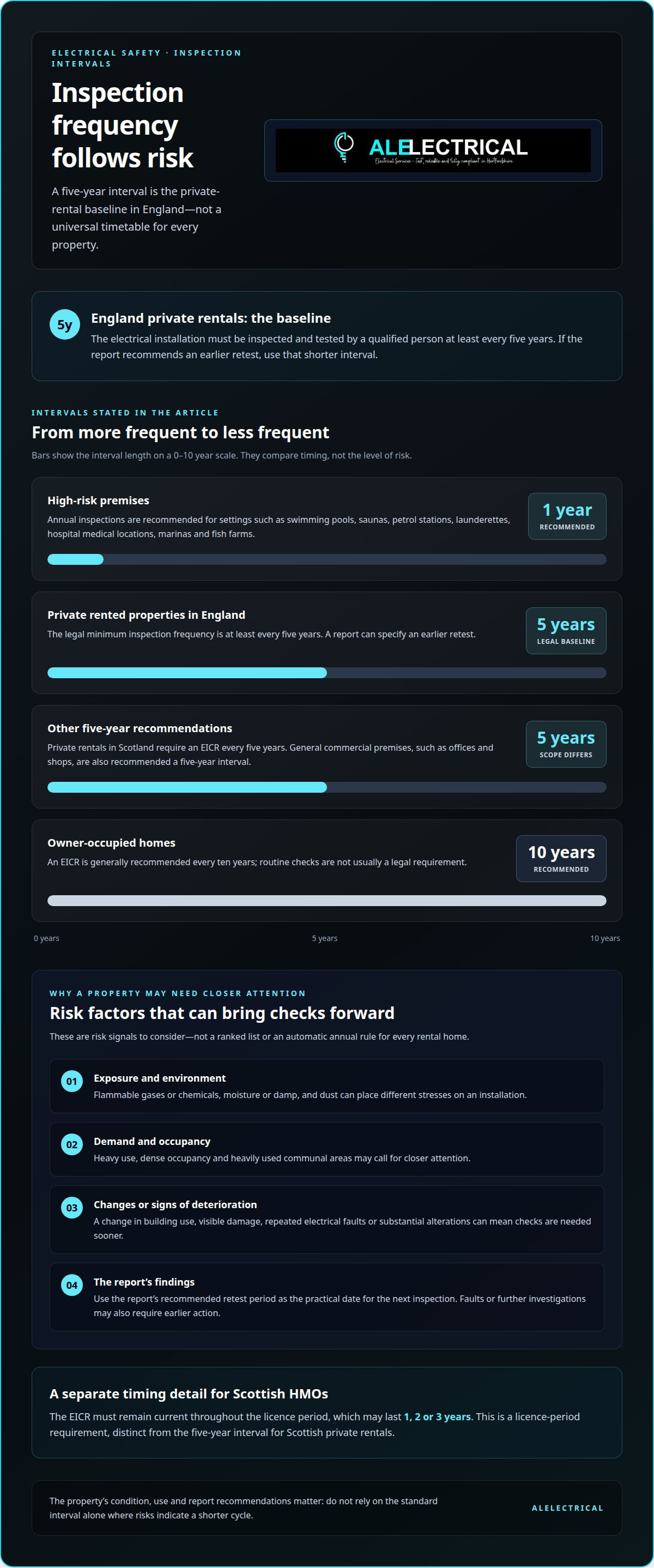
For owner-occupied homes, an EICR is generally recommended every 10 years; routine checks are not usually a legal requirement. Commercial intervals vary: general premises such as offices and shops are recommended every 5 years, while petrol stations, swimming pools and hospital medical locations are recommended every 1 year. Scorch marks, buzzing sockets, repeated tripping or damp around electrical fittings can warrant an earlier inspection.
Different requirements for private and social landlords
Tenancy type and location affect which electrical safety requirements apply. Social landlords in England have different start dates from private landlords.
Requirements across the nations
England’s private rented sector rules set the five-year inspection cycle, while social housing requirements have their own transition dates. In England, the rules came into force for the social rented sector on 1 November 2025. They apply to tenancies granted after 1 December 2025; homes let before then must be inspected and tested before 1 November 2026.
Scotland requires an EICR for private rentals every five years, and it must be in date at the start of a new tenancy. For Scottish HMOs, it must remain current throughout the licence period, which may last 1, 2 or 3 years. In Wales, the EICR rule for rental properties and HMOs was due to apply from December 2022. Northern Ireland has separate requirements, so England’s rules should not be treated as applying there. In England, lodgers are exempt from the landlord electrical safety checks described here.
A home built or rewired within the previous 5 years can use its Electrical Installation Certificate instead of a safety check, provided the landlord meets the regulations. The certificate covers the first 5 years after issue.
Reports and remedial work
An unsatisfactory report may require remedial work or further investigation to address electrical hazards. In England, landlords must complete this work within 28 days, or sooner if the report specifies a shorter period, according to The National Archives.
Keep the report and evidence of completed work together. Existing tenants must receive the report, and the local council must receive it if requested. The applicable deadlines are part of the English requirements. Private landlords in England are not required to check portable appliances they provide, unlike fixed electrical installations.
EICR frequency for high-risk buildings
A five-year interval is a baseline, not a universal timetable for every rental property. Higher-risk housing may need electrical installation condition checks more often, depending on the wiring, circuits, environment and installation condition. The report’s recommended retest period turns those risks into a practical inspection date.
Risk can increase when electrical equipment is exposed to flammable gases or chemicals, moisture, dust, heavy use or dense occupancy. For example, damp conditions or heavily used communal areas may call for closer attention than a lower-risk home. Changes to the building’s use, visible damage, repeated electrical faults or substantial alterations can also mean checks are needed sooner.
Some high-risk settings have recommended annual inspections, including swimming pools, saunas, petrol stations, launderettes, hospital medical locations, marinas and fish farms. These examples show why a building’s use matters: water, chemicals and demanding environments can place different stresses on electrical installations. They do not create a blanket annual rule for every rented home.
Arrange inspections according to the property’s actual risks, then use the report’s next inspection date to plan future checks. Keep the certificate with the property records and review it if the building’s condition or use changes. If the environment or installation condition indicates a shorter period, a high-risk property should not rely on the standard interval alone.
If you’re planning electrical checks for a property with specific risks, plan the next inspection around its condition and use.
ALElectrical: House Rewires
ALElectrical provides EICRs for landlords who need an inspection and a clear report on an electrical installation. If the findings point to wider work, House Rewires or Fuse Box Upgrades may address issues beyond routine checks. Use the report to understand whether further electrical work is needed.
For planned property improvements, ALElectrical also offers Solar & Battery. These services may be relevant when electrical safety checks form part of broader work on a rental property, but they do not replace inspection requirements.
To discuss an EICR or related electrical work, contact ALElectrical or visit alelec.co.uk.
Make your next inspection easier to plan
Managing landlord EICR frequency is easier when inspection dates, reports and completed work are kept together for each property. A simple record can help you spot an approaching retest date, share relevant information with those managing the property and identify whether later electrical changes call for a fresh assessment.
It’s also useful to revisit the record after renovations, changes in how the property is used, or concerns raised by tenants. That way, inspection planning reflects the home’s current condition rather than relying only on an old calendar entry. Reviewing these details during routine property management helps keep useful records accessible. If you’re ready to arrange an inspection or discuss an electrical report, contact ALElectrical about your EICR.
A considered approach makes the next step clear and supports safer, well-managed homes for tenants.
Frequently Asked Questions
How often should I get an EICR?
For most private rented homes in England, arrange an EICR at least every five years, or sooner if the report recommends an earlier retest. Use the inspection date recorded on the report to plan the next check. A calendar reminder can help prevent the renewal date from slipping during a tenancy.
What do the changes mean for landlords?
Social landlords in England now have electrical safety duties under rules that began applying to the social rented sector on 1 November 2025. Tenancies granted after 1 December 2025 fall within the regulations, while properties let earlier have a transition deadline. Identify whether each property is privately or socially rented before applying a timetable.
What happens during the check?
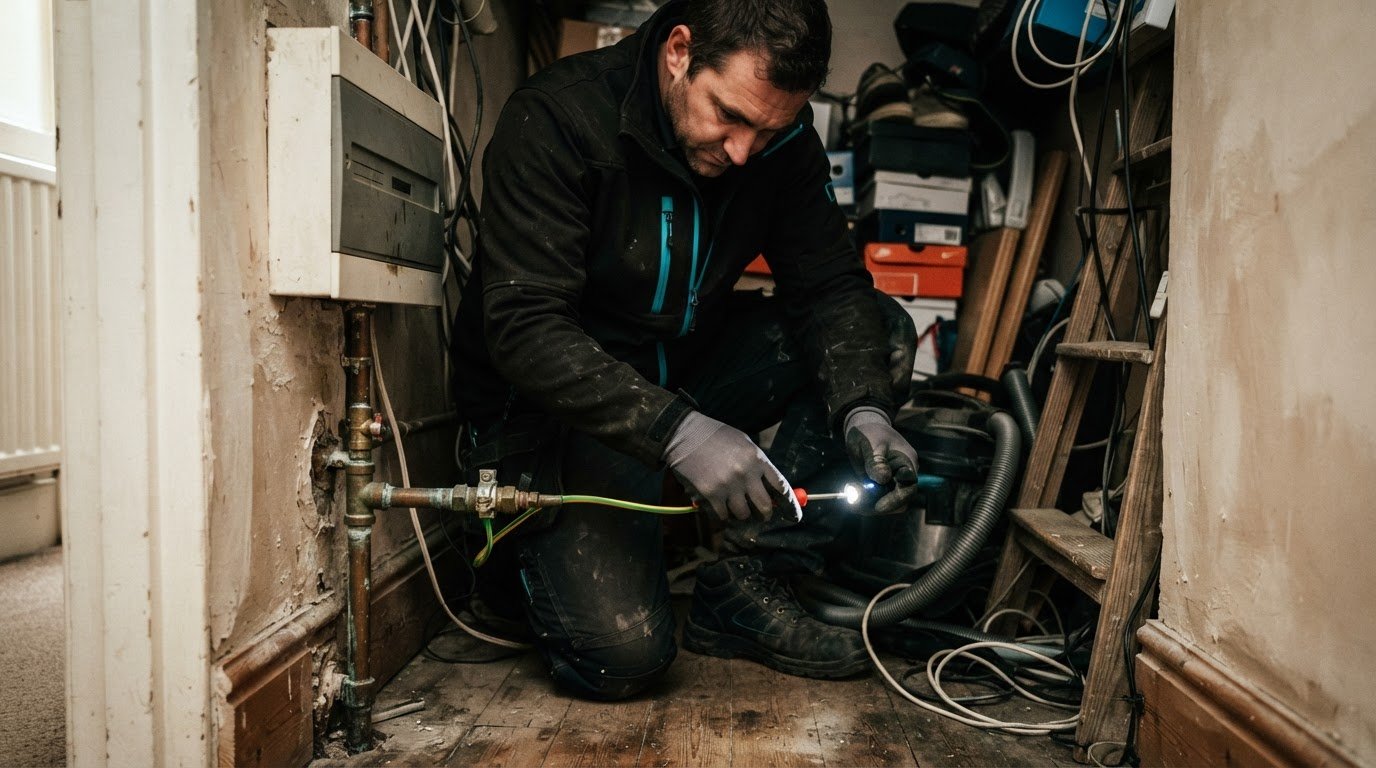
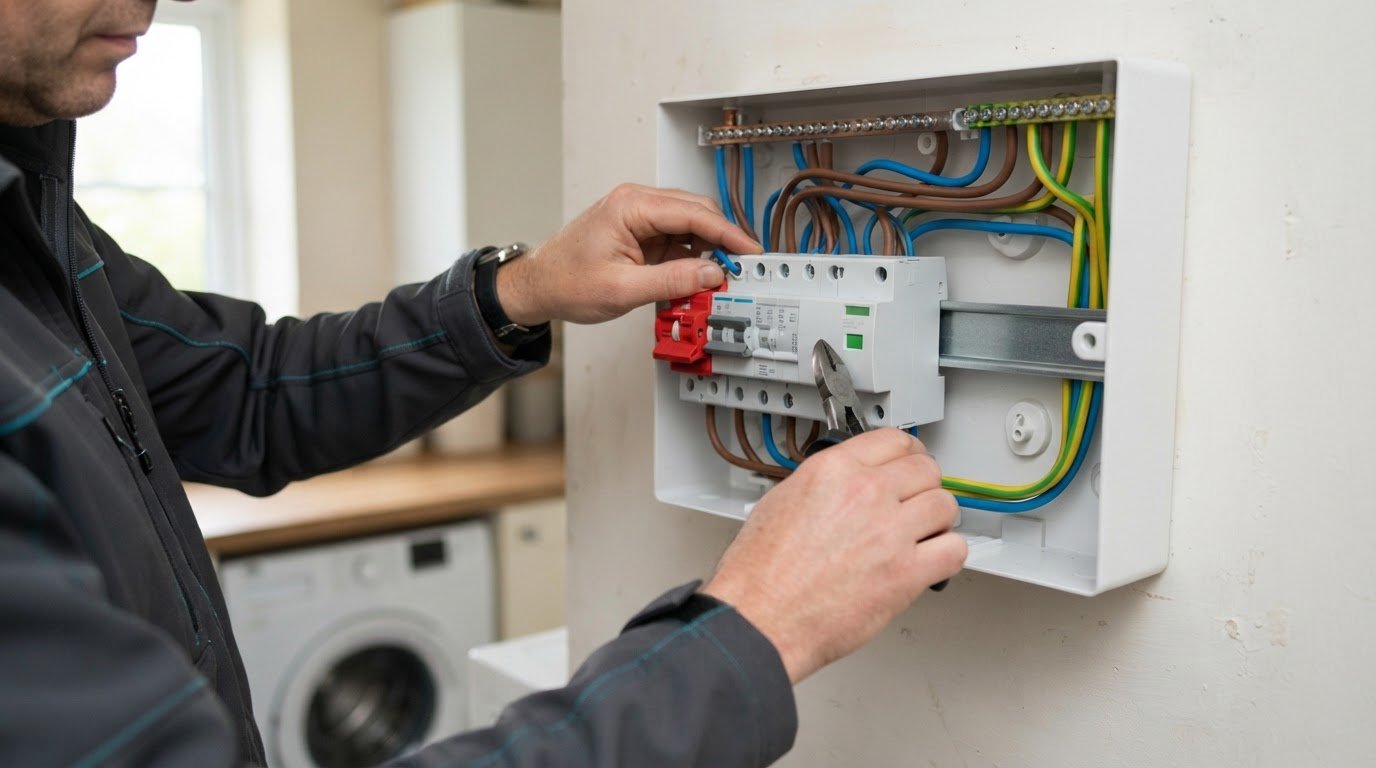
A qualified person inspects and tests the fixed electrical installation, including its wiring and circuits, then records its condition. The assessment checks the installation against the relevant wiring standard and identifies defects or further investigations. For example, a report might flag a fault that requires remedial work, rather than simply confirm that an inspection took place.
What happens if you don’t comply with the regulations?
A local council may impose a financial penalty of up to £40,000 for specified breaches of England’s electrical safety regulations, according to The National Archives. Non-compliance can also leave landlords without the required inspection records or evidence of completed work. Keep reports and remedial-work confirmations organised, so you can respond to a council request with the relevant documents.
How often must landlords get an EICR in England?
Private landlords must arrange an inspection and test at least every five years, or sooner if the report requires it. A change of tenant does not automatically reset the inspection date. Before a new tenant moves in, provide the most recent report. An existing report can be used if it remains valid and its findings have been addressed.

Comments