
How to update old house wiring and address common electrical problems
A tidy-looking home can still have wiring that needs attention. Common electrical problems in old houses can include outdated wiring and loose connections, so a qualified electrician should assess the system before you decide whether a repair, partial update or full rewire is needed. Any replacement wiring should meet BS 7671, according to the British Standards Institution.
It’s understandable to want a clear answer before opening walls or planning renovation work. This guide explains how to assess wiring in an older home, recognise signs of unearthed sockets, and plan electrical inspections and maintenance. You’ll also learn which warning signs need prompt attention and how an inspection can identify potential problems. A safety-first approach helps you make informed decisions about what to do next.
Table of Contents
1. How Do You Update Electrical Wiring in an Old House?
Common electrical problems in old houses include worn insulation and connections that have loosened over time. Older wiring can vary in material and condition, so have it assessed before planning updates. Homes built before the 1960s may need particular scrutiny, although age alone doesn’t show whether wiring has failed. Have a qualified electrician assess its condition and capacity before planning updates. Wiring materials should meet BS 7671 standards, according to the British Standards Institution.
Rubber insulation can deteriorate, and damage to rubber or lead-sheathed cables may expose conductors, creating a risk of electric shock or fire. Don’t handle damaged wiring; arrange a professional assessment. Frayed or corroded wires serving an air-conditioning system can also affect its operation. If you notice a burning smell, blackened insulation or intermittent power, switch the unit off and arrange professional help.
Thermostat wires can become loose, corroded or disconnected, disrupting communication with the heating or cooling system. A flickering display or settings the system doesn’t respond to can be clues. An electrician can inspect the connections and replace damaged wiring where needed.
A full house rewire involves removing or isolating old wiring, installing replacement cables, and connecting sockets and circuits. The time required depends on the property’s size, access, the existing installation and how much of the building fabric must be opened. Where practical, coordinate the work with renovations and discuss how rooms and power will be managed during the project.
Older installations may be close to materials containing asbestos. If work could disturb suspected material, stop and arrange an asbestos assessment. Don’t cut or remove it yourself.
2. Ungrounded outlets and missing earth wires
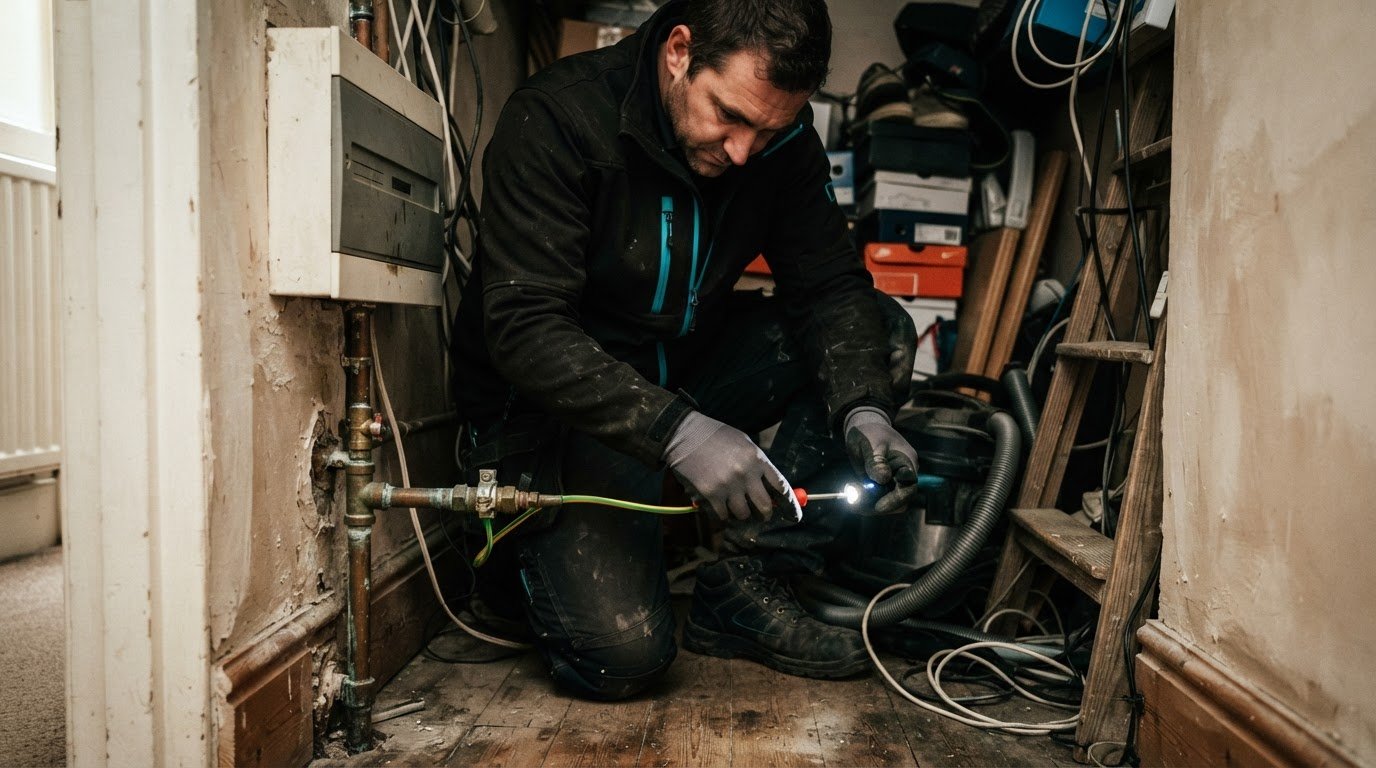
An earth wire provides a path for fault current, helping reduce the risk of electric shock and fire. Older sockets may lack this connection, so a three-pin faceplate alone doesn’t prove that a socket is properly earthed. Don’t use an adaptor to convert an unearthed two-pin socket into a three-pin one. An electrician can inspect the wiring and establish whether the socket has an earth connection.
Socket placement matters too. If there aren’t enough sockets near a desk or television, extension leads and multiway adaptors can become permanent fixtures. Too many appliances on one circuit may overload it, causing a circuit breaker to trip. Plan new or relocated sockets around how you use each room, including where air-conditioning equipment needs power, rather than relying on long leads that can be damaged or create trip hazards.
A qualified electrician can recommend a suitable solution, such as properly earthed sockets or RCD protection. An RCD can disconnect the supply when it detects a fault, but it doesn’t add an earth wire where one is missing. Don’t assume a socket is safe because an appliance still works. Have the circuit and wiring inspected before using it, especially in kitchens, bathrooms, garages or outdoors.
Updates to unearthed sockets should comply with Part P regulations, according to UK Government. An inspection can clarify what work is appropriate for your installation and support everyday comfort without improvised extensions. Arrange an electrical assessment to discuss socket and circuit concerns in your home.

3. Electrical inspections and maintenance
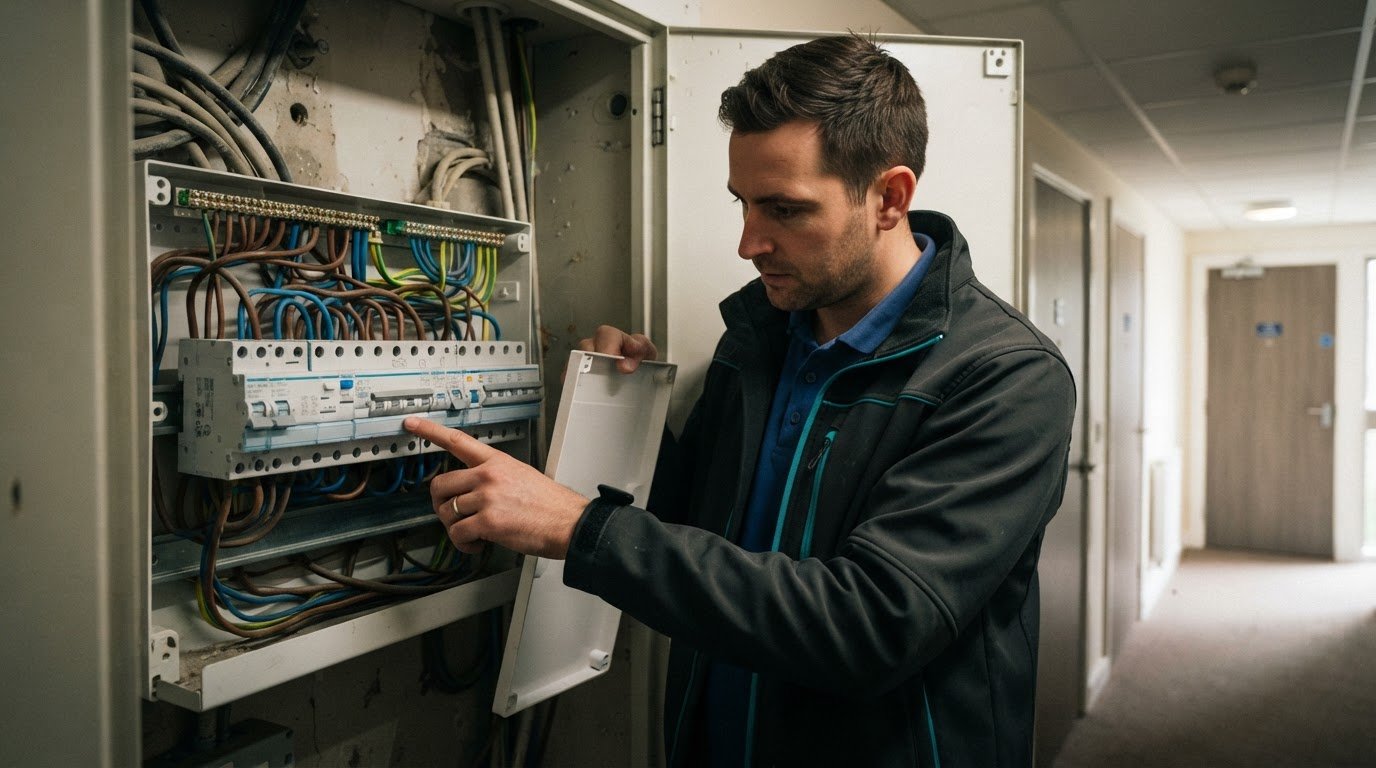
Book an electrical inspection when an older home develops new faults or after substantial renovation work. An Electrical Installation Condition Report (EICR) assesses the installation’s condition and identifies issues needing attention. A general electrical system check takes about an hour, though the time depends on the property and what needs inspecting. Ask for findings and recommended repairs to be explained clearly, so you can prioritise urgent faults and plan other work.
Homeowners should act promptly if they find faulty wiring, smell burning or experience repeated tripping. Stop using the affected circuit or appliance, and don’t keep resetting a breaker: repeated trips can signal an underlying problem. If an air-conditioning system smells burnt or has damaged wiring, switch it off and arrange professional help.
During maintenance, an electrician can inspect visible wiring, connections, the fuse box and protective devices. Test RCD devices monthly, following the manufacturer’s instructions. Also note when a thermostat malfunctions or an appliance stops running properly; these details can help identify a pattern. A humming air-conditioning unit may have an electrical fault, while a failed capacitor can affect how its motor starts. Refrigerant issues require separate air-conditioning expertise, so don’t confuse them with electrical repairs.
Keep a simple record of inspection dates, recurring faults and completed work. That makes changes easier to spot at the next visit. If you’re seeing repeated electrical issues, arrange professional electrical maintenance to assess the installation and address the cause.
ALElectrical: House Rewires
ALElectrical carries out house rewires when an inspection identifies outdated or damaged wiring that needs replacing. A rewire may suit a property with recurring electrical faults or a renovation where the existing installation needs a broader update. An EICR can clarify the installation’s condition and highlight issues to address.
The right next step depends on the findings. A fuse box upgrade may be appropriate if the existing fuse box needs attention. Solar and battery solutions address a separate energy project. These services meet different needs, so let the inspection findings and your plans for the property guide your choice.
Contact ALElectrical to discuss a house rewire or the electrical findings in your home.
Make a clear plan for your home’s electrics
Recognising common electrical problems in old houses is a useful first step; deciding what to address next makes the work more manageable. Keep a note of faults as they occur, including the room or appliance affected and whether the problem returns. This gives an electrician practical context and helps you discuss priorities based on your household’s needs and any planned renovation.
Rather than waiting for a small concern to disrupt your routine, use the information you’ve gathered to arrange an assessment and understand the next steps. A clear plan can help you tackle updates in stages and make informed choices for your property.
Contact ALElectrical about your wiring to discuss the electrical work your home may need. Taking that first step can help you move towards a safer, more dependable installation.
Frequently Asked Questions
How Do You Update Electrical Wiring in an Old House?
Start with an inspection, then use the findings to plan the work room by room. Note which circuits supply sockets, lighting and fixed equipment, such as a cooker, so the electrician can assess how the installation serves your household. Agree which areas need access and whether updates can be coordinated with planned decorating or building work. Keep a record of completed changes for future maintenance.
Is It Worth Rewiring an Old House?
Rewiring can be worthwhile when the installation has widespread deterioration, repeated faults or can’t meet the demands of your household. A local repair may suit an isolated issue, but it won’t resolve problems elsewhere in the system. An EICR can help you understand the overall condition and weigh the findings against renovation plans and future electrical needs.
What are the most common electrical problems in old UK houses?
Common electrical problems in old houses include deteriorating cable insulation, unearthed sockets, overloaded circuits and unreliable connections. You might notice flickering lights, breakers that trip repeatedly or a socket that feels unusually warm. These symptoms can have different causes, so note where and when they occur rather than assuming one faulty appliance explains every issue.
How can I tell if an old house needs rewiring?
Warning signs include recurring power interruptions, frequent breaker trips, visibly damaged cable insulation or faults appearing in several rooms. A burning smell or sparking needs prompt attention. These clues don’t reveal the full condition of hidden wiring; an EICR provides a broader assessment and helps distinguish a local repair from more extensive work.
How do outdated fuse boxes and consumer units compare with modern ones?
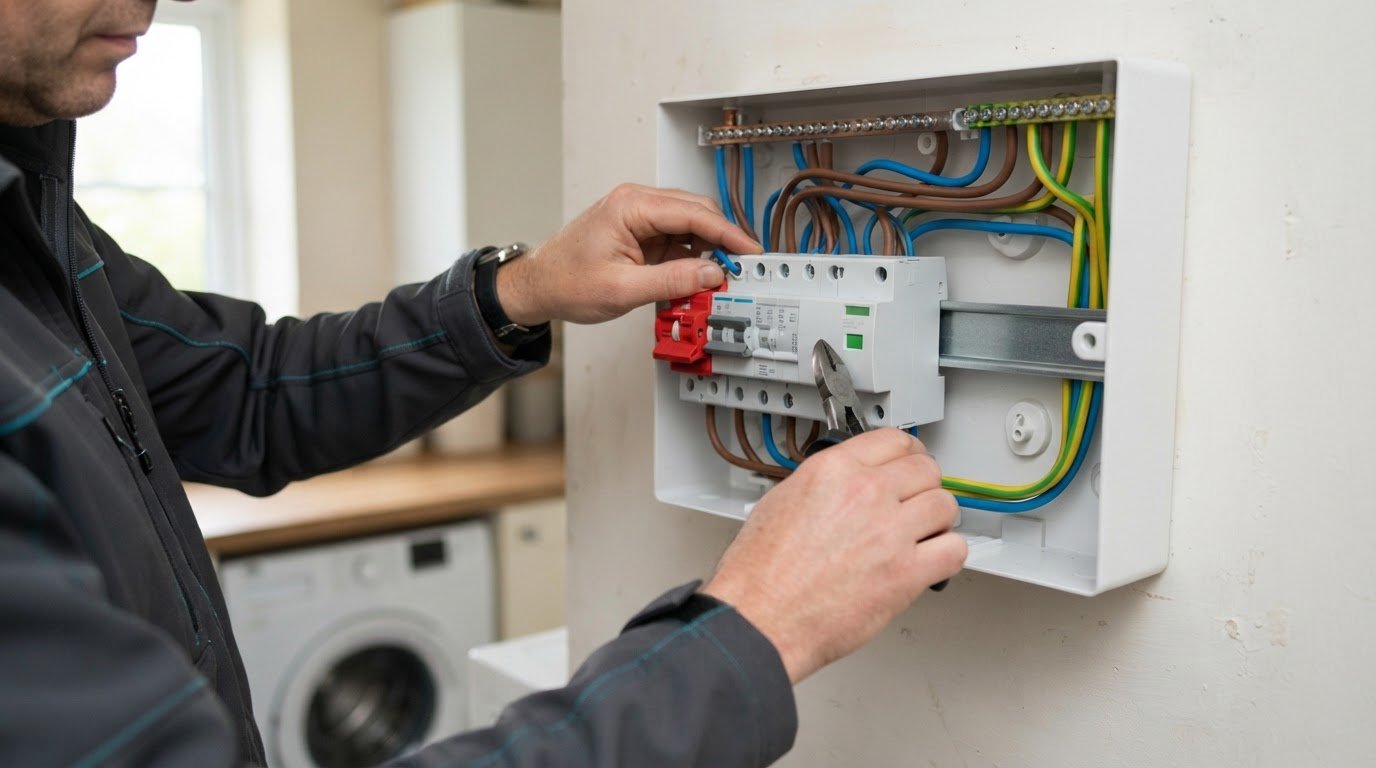
Older fuse boxes may use fuse wire that melts when a circuit fault occurs, so the fuse needs replacing. Modern consumer units use circuit breakers that trip when they detect a fault, while protective devices such as RCDs provide additional protection. A unit’s appearance alone doesn’t show whether it’s suitable; an inspection can assess its condition and the protection it provides.
Comments