
How to Install Outdoor Security Lighting: DIY or Electrician
A security light may seem like a straightforward weekend project, but the wiring determines whether DIY is appropriate. Installing outdoor security lighting may suit someone who understands electrical circuits; if you’re not confident working with wiring, use a qualified electrician. For useful coverage, position a floodlight at least nine feet above the ground and angle it towards the area you want to illuminate.
Better visibility around entrances, paths and driveways is valuable, but safety matters too. This guide explains how to choose a position, fit a motion sensor and test the light, and when to call an electrician. Even a small change to an existing light can involve more than attaching a fitting to the wall.
Table of Contents
Are security lights easy to install?
A wall-mounted floodlight may be straightforward for someone who understands circuits, but wiring and building rules still matter. Use these steps to plan suitable coverage and decide whether DIY is appropriate.
Choose the light type and brightnessChoose an LED floodlight for broad coverage, then match its beam to the chosen area. A narrow beam may suit a doorway; a wider spread can illuminate driveways or garden paths. Check the manufacturer’s guidance for brightness and power source, including whether the fitting connects to mains electricity or uses a 12-volt transformer. Avoid aiming excess light into neighbouring windows.
Select a suitable installation locationPosition the light to cover an entrance, gate, path, driveway or darker part of the garden. Mount a floodlight at least nine feet above the ground and angle it towards the area that needs the most light. A garage corner or a spot near the front door may work well. Check that the beam illuminates the approach without dazzling neighbours.
Check regulations and IP ratingsCheck the fitting’s IP rating and manufacturer’s instructions to ensure it is suitable for its outdoor exposure. According to UK Government, legislation.gov.uk, Part P of Schedule 1 imposes 1 requirement: a building notice or building control approval application with full plans for installing a new circuit or altering existing circuits in a special location. For installation, isolate the power, test the circuit, mount and wire the fitting, seal openings, then restore power and test it.
Consider installation costsConsider the fitting, access to the mounting point, existing wiring and whether a new circuit is needed when estimating the work. These factors affect the job and its cost, so request a quote for an assessment. Installing outdoor security lighting may be manageable when suitable wiring is already in place; new or modified wiring makes the job more complex.
Can you add a motion sensor to an outdoor light?
Yes, provided the light and sensor are compatible. Plan the placement and settings before altering the wiring.
Understand sensors and photocellsChoose a PIR motion sensor if you want movement to trigger the light. It detects infrared energy from moving people, animals and warm objects, including cars. A photocell can keep the light off during daylight, and some fittings combine both functions. Check the fitting’s instructions to confirm whether a separate sensor is suitable.
Plan light and sensor placementPosition the sensor to cover the approach you want to monitor, rather than a neighbour’s path or windows. Mounting it 6 to 10 feet above ground and facing downwards can help define its detection area. Many models let you adjust the field of view and distance. Aim the light downwards too, reducing glare and unwanted light spilling into neighbouring homes.
Add a motion sensorCheck the manufacturer’s instructions before choosing a separate sensor, as compatibility depends on the light’s brand or type. Turn off the security-light circuit at the circuit breaker before working on wiring. Follow the supplied instructions for connections, then restore power and test the light. If you’re unsure about the wiring, stop and seek professional help. ALElectrical’s electrical support is a useful next step when the work needs an electrician.
Adjust sensor settingsWalk through the detection area and adjust the sensor’s range and sensitivity until it responds where needed. Narrow its field of view if passing cars or movement beyond your property triggers the light. Set the timer for a useful duration, using the light’s controls. If the light stops responding, check its settings and look for visible dirt or damage on the sensor before considering a wiring fault.
Using a professional electrician for installation
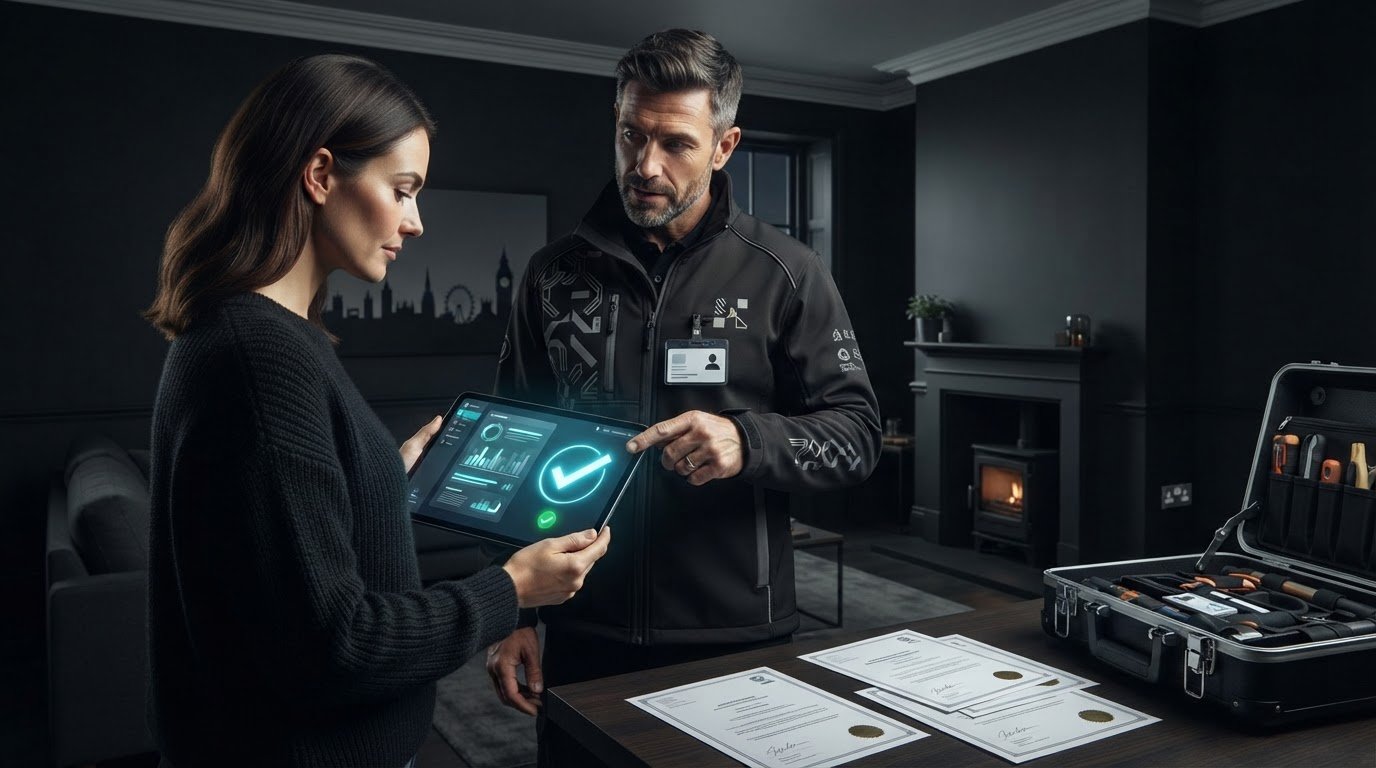
Use an electrician for new wiring, circuit changes or any work you aren’t confident completing safely.
Assess the electrical work before deciding whether to DIY. Replacing a fitting on an existing connection is different from adding a circuit or extending wiring outdoors. Large floodlights covering driveways or other wide areas may also require professional installation. If you’re unsure how to isolate and test the circuit, leave the wiring to an electrician.
Check whether building control applies to the planned work. According to UK Government, legislation.gov.uk, Part P of Schedule 1 imposes 1 requirement: a building notice or building control approval application with full plans for installing a new circuit or altering existing circuits in a special location. New and modified electrical installations must comply with the latest IEE Wiring Regulations.
Ask the electrician to assess the existing circuit, proposed light position and cable route before work starts. They can determine whether the plan requires new wiring, a circuit alteration or a connection to an existing lighting circuit. After installation, have the light and sensor tested, then adjust their direction for useful coverage without dazzling neighbours.
Use professional help if electrical work feels unfamiliar, or if the installation involves a new circuit. For related electrical work around your property, discuss electrical maintenance as a practical next step. A professional assessment helps clarify the work involved and the relevant building-control requirements before installation proceeds.
ALElectrical: House Rewires
ALElectrical provides House Rewires for homeowners planning broader electrical work alongside outdoor lighting. If the project reveals old wiring or changes beyond a single fitting, discuss whether a rewire is appropriate for the wider work. ALElectrical also offers Fuse Box Upgrades, EICR, Solar & Battery and Electrical Maintenance.
Professional help is especially useful when a project involves more than fitting a light, such as reviewing wiring or upgrading the electrical setup. ALElectrical provides related electrical services to help address the work involved.
To discuss your electrical project, contact ALElectrical or visit ALElectrical online.
Plan a safer, more useful outdoor space
Before installing outdoor security lighting, sketch the areas you want to use more easily after dark. Mark entrances, paths and any places where a future renovation could affect the lighting plan. This helps you decide whether the work is a standalone fitting or part of broader electrical improvements.
ALElectrical offers House Rewires, Solar & Battery and Fuse Box Upgrades for projects involving broader electrical work. If your lighting plans connect with one of these services, discuss your project and priorities with the team and request a free, no-obligation quote.
Contact ALElectrical about your lighting and take the next step towards a well-planned outdoor space.
Frequently Asked Questions
Where should floodlights be placed?
Position floodlights to illuminate likely approaches without shining into neighbouring windows or leaving dark patches beside the beam. For example, a light covering a driveway should also illuminate the route from the gate to the entrance. If you install multiple fittings, angle their beams to complement each other instead of pointing them all at the same spot.
What types of outdoor security lights are available: mains, solar, and battery-powered?
Mains-powered lights connect to the property’s electrical supply. Solar lights use a panel and battery, while battery-powered models rely on replaceable or rechargeable batteries. Solar suits locations with enough daylight for charging; battery fittings can help where running cable is difficult. Before choosing, compare the light’s power requirements and upkeep with the location.
Do you need an electrician to install outdoor security lighting in the UK?
Not every fitting needs professional installation, but use an electrician for unfamiliar wiring, a new circuit or circuit changes. The work must also comply with the latest IEE Wiring Regulations.
How do you wire an outdoor security light safely and choose the right cable and circuit?
Isolate the supply and test that the circuit is dead before touching wiring. Cable choice depends on the route and circuit: a spur from a power circuit uses 2.5 mm² cable to a fused connection unit containing a 5 amp fuse, then 1 mm² cable to the light or junction box. Circuit design matters, so leave unfamiliar connections to an electrician.
Comments