
Energy efficient electrical upgrades that can lower running costs
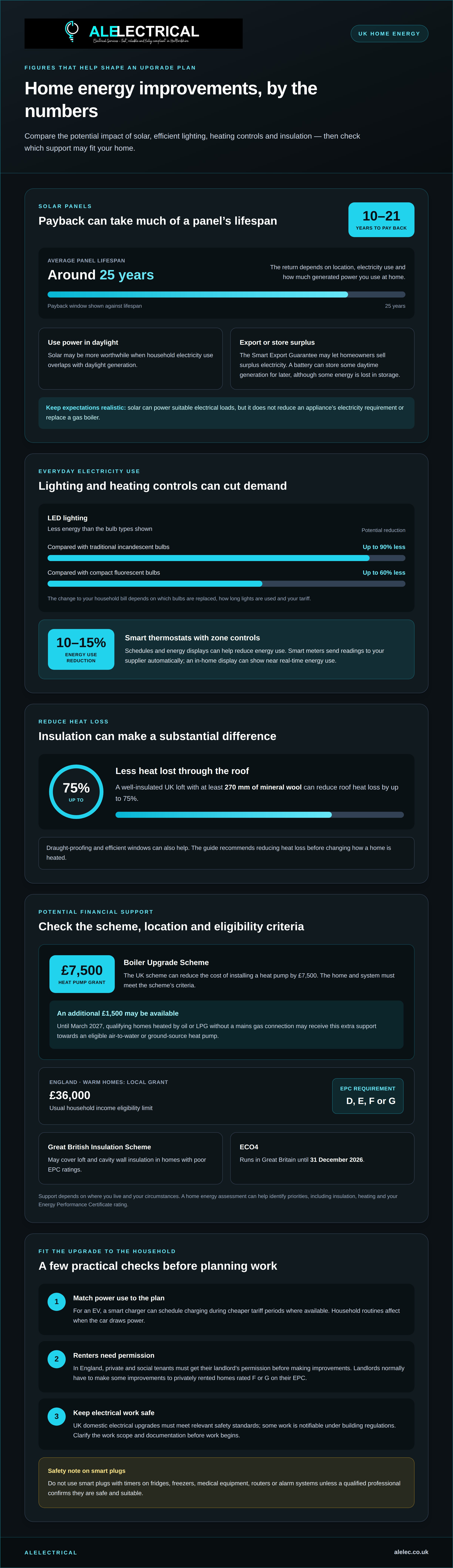
Solar panels can be worthwhile in the UK, but they’re not the only way to reduce running costs. The value of energy-efficient electrical upgrades for homes depends on how much electricity you use, when you use it and whether you can use solar generation. The Smart Export Guarantee may allow you to sell surplus electricity back to the grid. Reducing wasted energy also helps: solar panels don’t reduce the electricity an appliance needs.
It’s understandable to want improvements that make a practical difference without investing in the wrong solution. This guide explains what affects the value of solar, what financial support may be available and which upgrades may suit homeowners and renters. It also covers electrical improvements that can support more efficient energy use, helping you decide which options fit your home and circumstances.
Table of Contents
1. Are solar panels worth it in the UK?
Solar panels can be worthwhile if your household uses electricity during daylight. Payback may take 10 to 21 years, against an average panel lifespan of around 25 years. The return depends on location, electricity use and how much generated power you use at home.
The Smart Export Guarantee (SEG) may allow homeowners to sell surplus electricity back to the grid. A battery stores some daytime generation for later use, such as powering evening appliances, although some energy is lost during storage. Solar generation can power suitable electrical loads, but it doesn’t reduce an appliance’s electricity requirement or replace a gas boiler. Heating and hot water still depend on your heating system.
For domestic electrical upgrades, UK work must meet relevant safety standards, and some work is notifiable under building regulations. LED lighting can use up to 90% less energy than traditional incandescent bulbs, or 60% less than compact fluorescent bulbs. The reduction in your household electricity bill depends on the bulbs replaced, how long lights are used and your tariff. Efficient lighting can support energy saving without changing how you heat water or rooms.
Smart meters send readings to your supplier automatically, while an in-home display can show near real-time energy use. Smart thermostats with zone controls, energy displays and schedules can reduce energy use by 10–15%. For an EV, a smart charger can schedule charging during cheaper tariff periods where available; home charging may also be cheaper than public charging. Choose an electrician whose work meets relevant safety standards and who can explain whether the planned work is notifiable. Ask for the scope and documentation to be clear before work begins.
2. Financial support for home energy improvements
Begin with a home energy assessment to identify where energy-saving measures could make the biggest difference. Energy Saving Trust says support for efficient home improvements depends on where you live and your circumstances. An assessment can consider insulation, heating and your Energy Performance Certificate rating before you plan work or switch systems.
The UK Boiler Upgrade Scheme can reduce the cost of installing a heat pump by £7,500, according to the Department for Energy Security and Net Zero. Until March 2027, qualifying homes heated by oil or LPG without a mains gas connection can receive an additional £1,500 towards an eligible air-to-water or ground-source heat pump, according to the Department for Energy Security and Net Zero. These grants may make a heat pump less expensive to install, but the home and system must meet the scheme’s criteria.
In England, the Warm Homes: Local Grant usually has a household income eligibility limit of £36,000, according to the Department for Energy Security and Net Zero. Applicants need an EPC rating of D, E, F or G, according to the same department. The Great British Insulation Scheme may cover loft and cavity wall insulation in homes with poor EPC ratings. ECO4 runs in Great Britain until 31 December 2026.
Plan EV charging alongside other electrical upgrades: charging schedules and household routines affect when your car draws power. For portable power and home resilience, identify which essential devices need electricity during an outage, then assess suitable storage options. A joined-up home energy plan helps prioritise insulation, heating and electrical work, rather than adding upgrades without considering how they work together.
3. Energy-efficiency improvements for homeowners and renters
The biggest savings often come from reducing heat loss before changing how a home is heated. A well-insulated UK loft with at least 270mm of mineral wool can reduce heat loss through the roof by up to 75%. Draught-proofing and efficient windows can also help keep rooms comfortable, so heating systems need less energy to maintain the desired temperature.
Electrical improvements can target everyday energy use. Replacing outdated bulbs with LEDs reduces lighting consumption, while smart thermostats can schedule heating around occupancy. Efficient appliances and switching devices fully off when they’re not in use can also reduce demand. For homeowners, combining these measures with heat pumps or battery storage may form part of a wider plan. The best order depends on the property and existing systems.
Renters can focus on changes that need little or no alteration, such as using appliance eco-settings and avoiding unnecessary standby use. In England, private and social tenants must get their landlord’s permission before making improvements. The UK Government says landlords normally have to make some improvements to privately rented homes rated F or G on their Energy Performance Certificate.
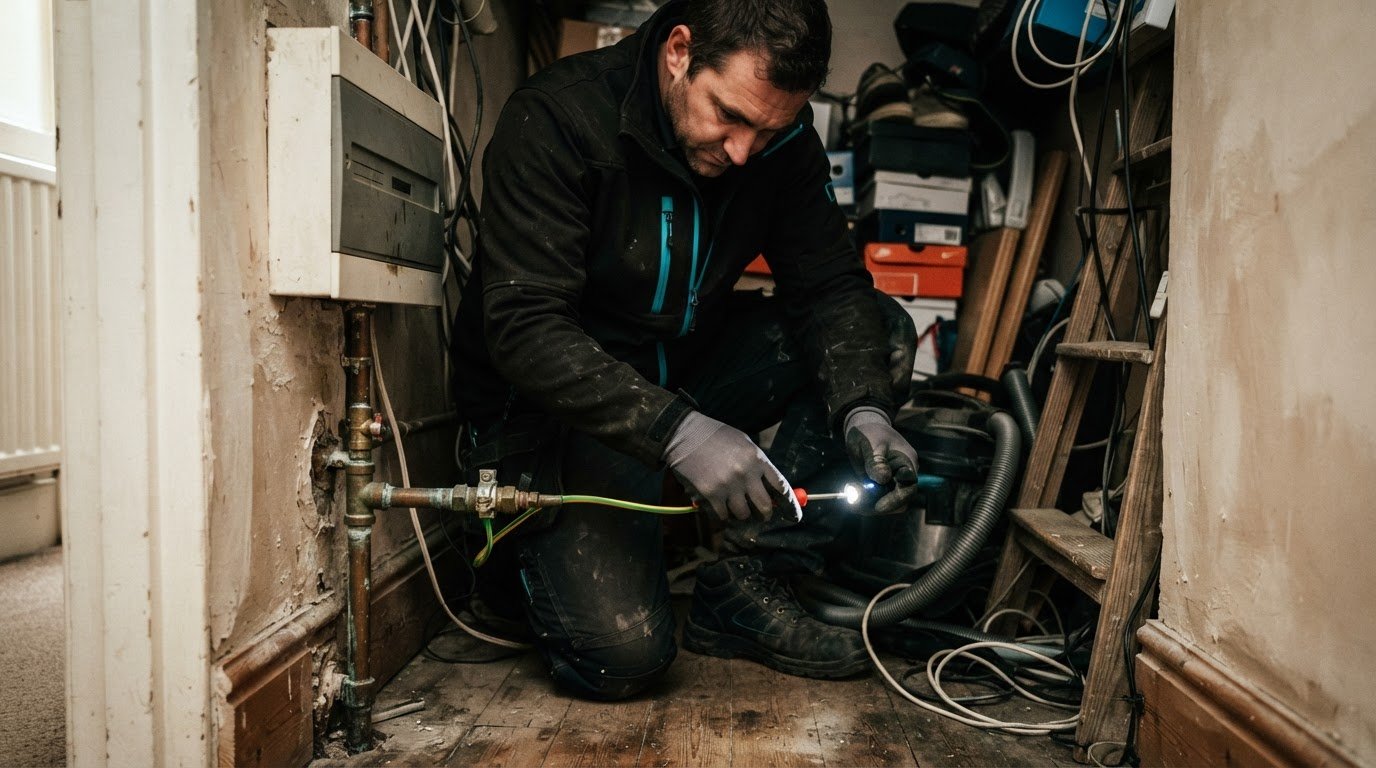
Safety matters too. Smart plugs with timers shouldn’t be used on fridges, freezers, medical equipment, routers or alarm systems unless a qualified professional confirms they’re safe and suitable. Common mistakes include blocking trickle vents or airbricks, which provide deliberate background ventilation, and overlooking maintenance as equipment ages. To identify electrical work that could support your plans, discuss electrical maintenance for your home.
ALElectrical: Fuse Box Upgrades
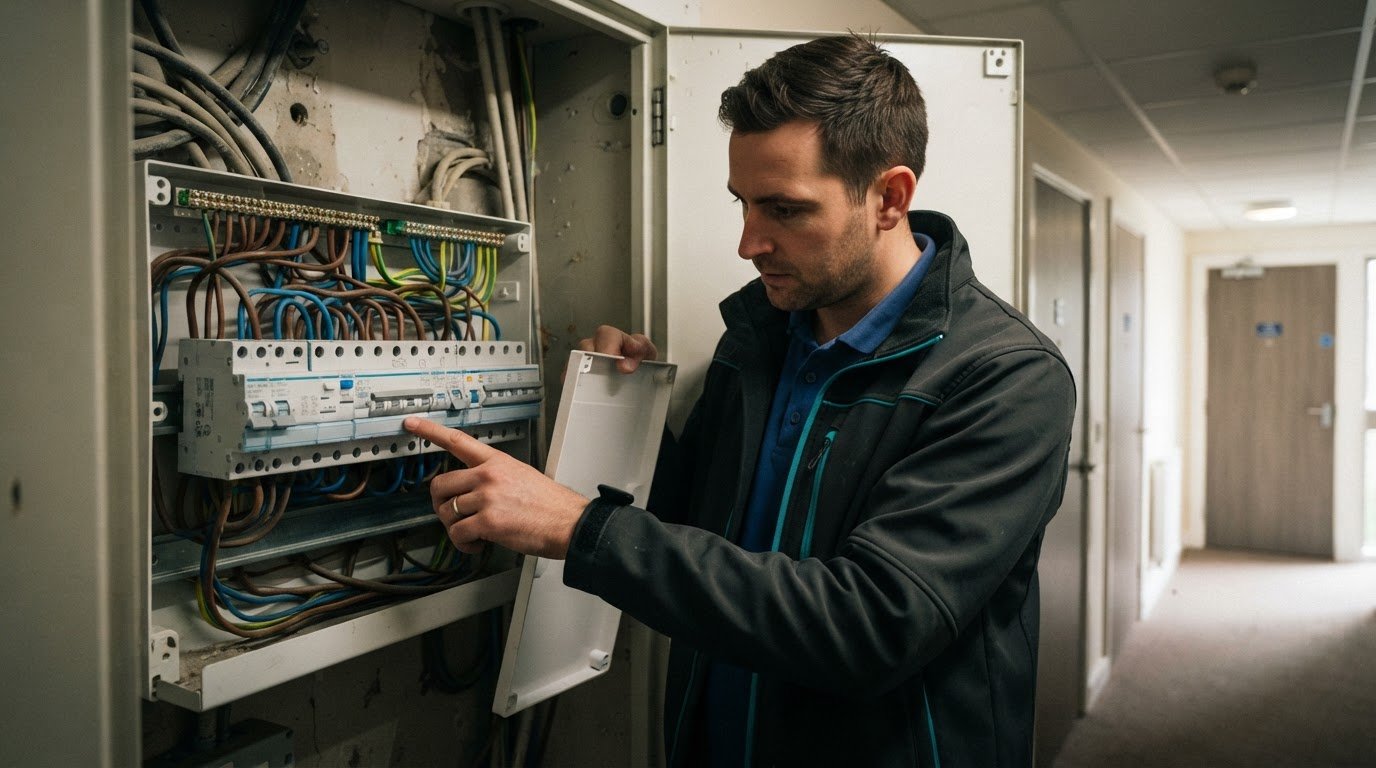
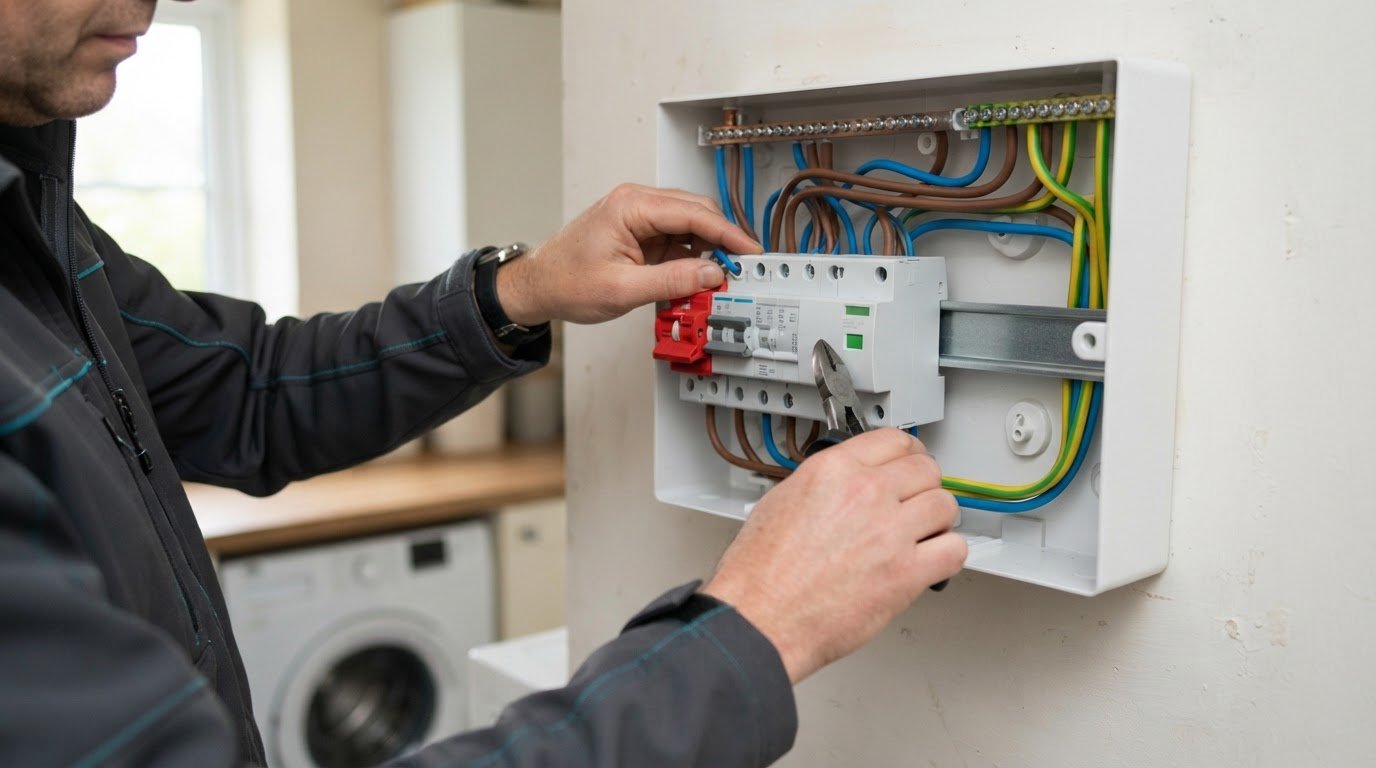
ALElectrical provides Fuse Box Upgrades to help ensure your electrical system suits your home’s needs. If you’re planning solar and battery installation or other electrical improvements, an upgrade may be relevant if the existing fuse box needs attention. ALElectrical’s Electrical Maintenance service can also help address concerns with your current system.
For more extensive changes, ALElectrical carries out House Rewires and Solar & Battery work. The right option depends on your home’s existing wiring, electrical requirements and the improvements you’re considering. A clear assessment establishes the work needed and how it fits with your plans, without assuming every home requires the same upgrade.
If you’re planning electrical improvements or have concerns about your fuse box, contact ALElectrical to discuss your home’s needs.
Plan your next home improvement
Start by matching proposed work to your household’s energy use and property. Choosing energy-efficient electrical upgrades for homes is easier when you consider the existing electrical system alongside future changes, rather than treating each improvement in isolation. A clear sequence helps you decide what to address first and avoid work that doesn’t suit your home.
For energy-efficient electrical upgrades for homes, a practical plan should reflect the changes you’re considering and the system already in place. ALElectrical provides Fuse Box Upgrades, House Rewires and Solar & Battery work. Discussing your plans with an electrician can clarify the electrical work involved and how it fits your property.
Frequently Asked Questions
Are energy-efficient homes in the UK cheaper to run?
Yes, homes that need less energy for heating, lighting and appliances generally cost less to run. Your actual bill also reflects household routines, energy tariffs and the property’s condition. For example, a well-insulated home with heating controls can use less energy to stay comfortable than a draughty home with the same thermostat setting.
What does “energy-efficient home” actually mean?
An energy-efficient home uses less energy to provide everyday comfort and services, such as warmth, hot water and lighting. Its performance is reflected in its Energy Performance Certificate (EPC), which rates homes from A to G. Insulation, windows, heating controls and efficient appliances all affect how much energy a home needs.
Are solar panels worth it in the UK?
Solar panels suit households that can use a good share of the electricity they generate. Consider daytime demand, roof suitability and whether your household can shift activities, such as laundry, to brighter hours. The Smart Export Guarantee may provide a route for exporting surplus electricity, so compare using power at home with exporting it.
Can I get help with costs?
Support is available through schemes with different purposes and eligibility rules. The Boiler Upgrade Scheme helps towards eligible heat-pump installations, while the Warm Homes: Local Grant in England supports qualifying home improvements. Some schemes may offer support for insulation improvements, subject to eligibility. Your location, household circumstances and property rating affect which options apply.
Is it worth adding battery storage?
Battery storage is useful when your panels generate electricity at times your household can’t use it, but you need power later. It shifts some solar generation into evening use; it doesn’t create electricity, and storing energy loses some of it. Consider your evening demand, export arrangements and how often stored power would replace electricity drawn from the grid.
Comments